Process Overview
The entire process was divided into four key stages:
1. Comparative Analysis
This stage involved identifying and comparing the key differences and similarities between OneStore, AppStore, and Google Play across various dimensions such as UX/UI, feature sets, and user flows. The insights provided a foundation for the SWOT analysis.
2. SWOT Analysis
The research focused on evaluating OneStore's strengths and weaknesses compared to competitors, identifying opportunities for growth, and recognizing external threats. These findings shaped hypotheses for improving existing features and introducing new ones.
3. Usability Analysis
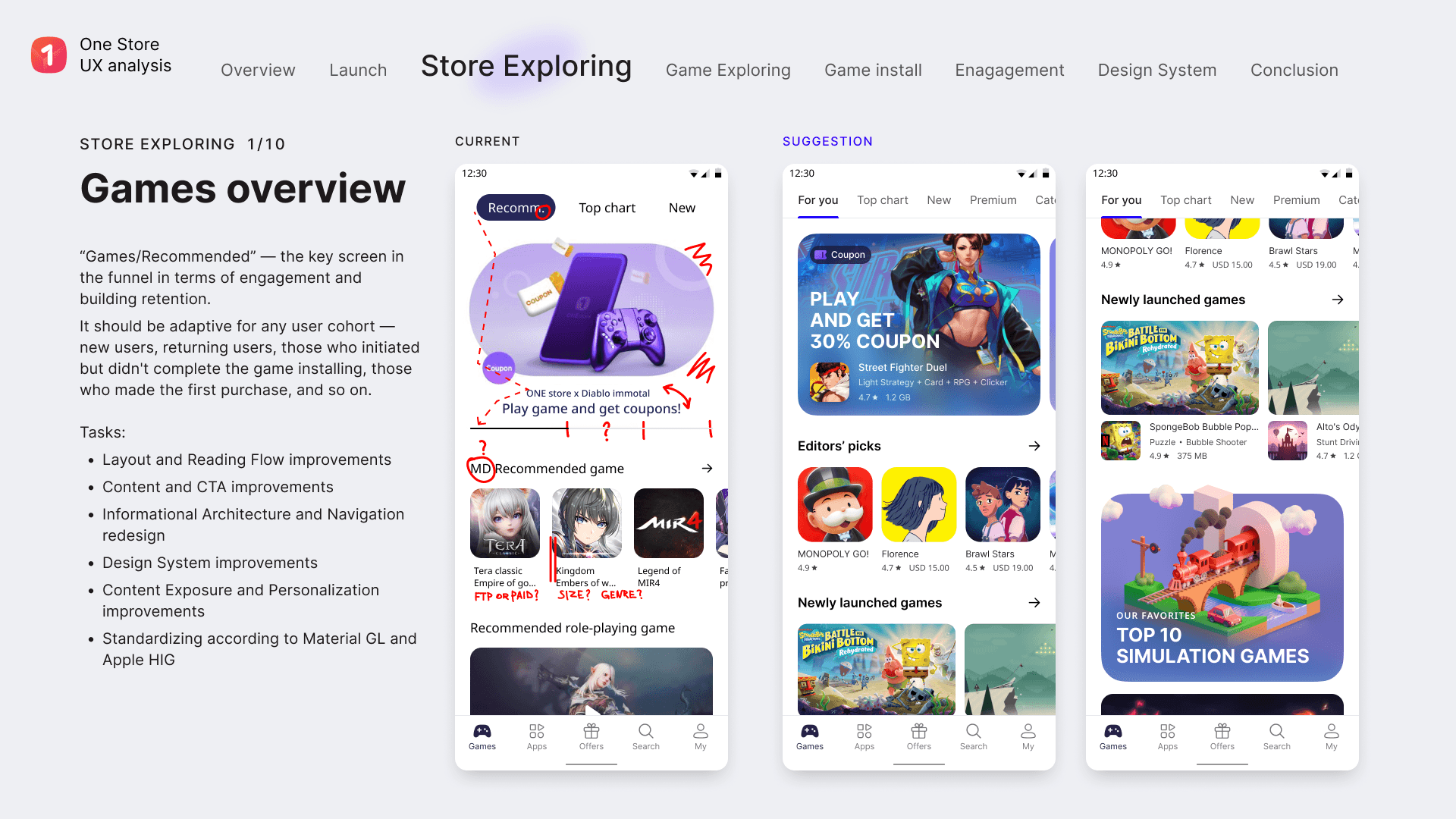
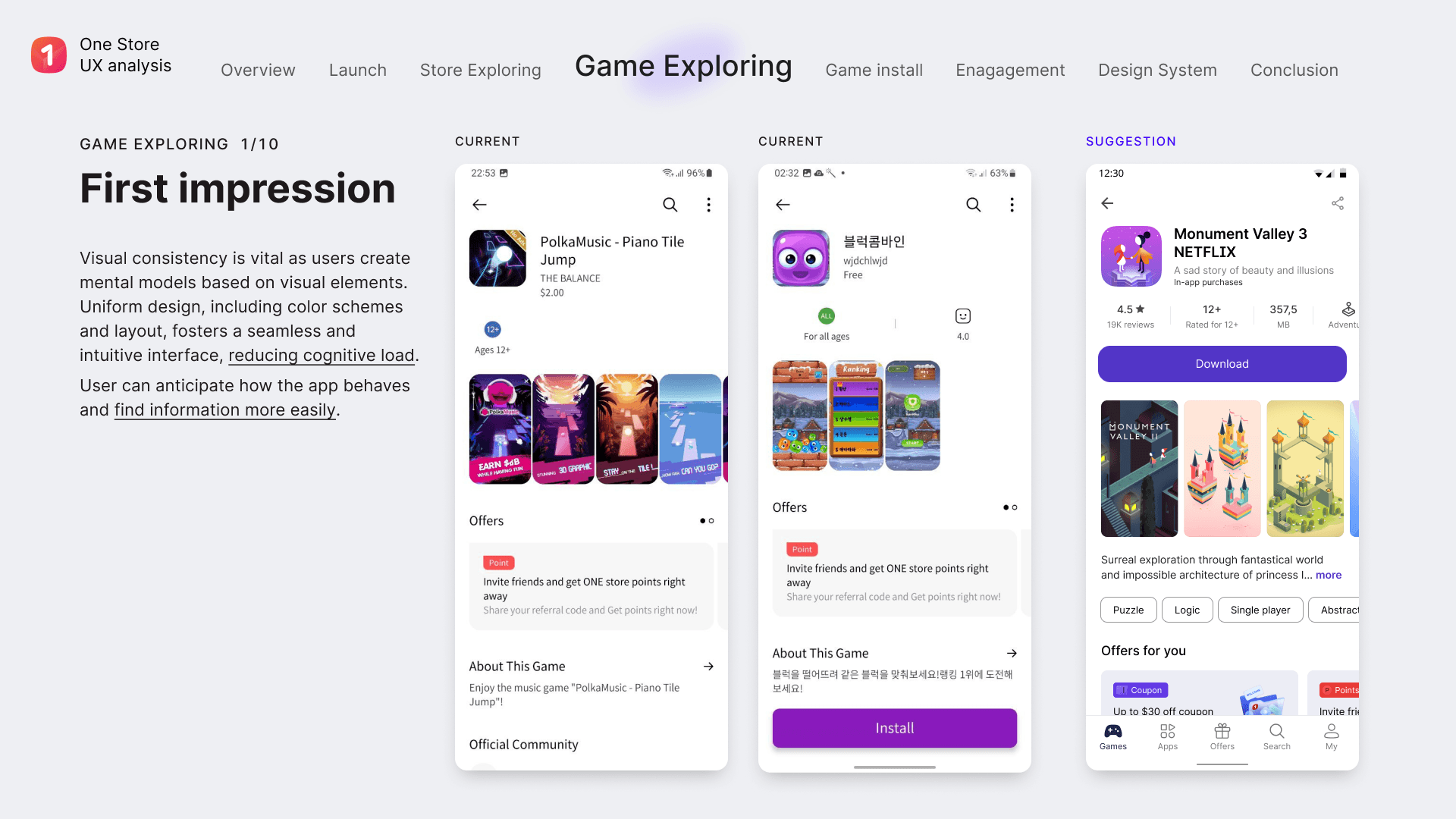
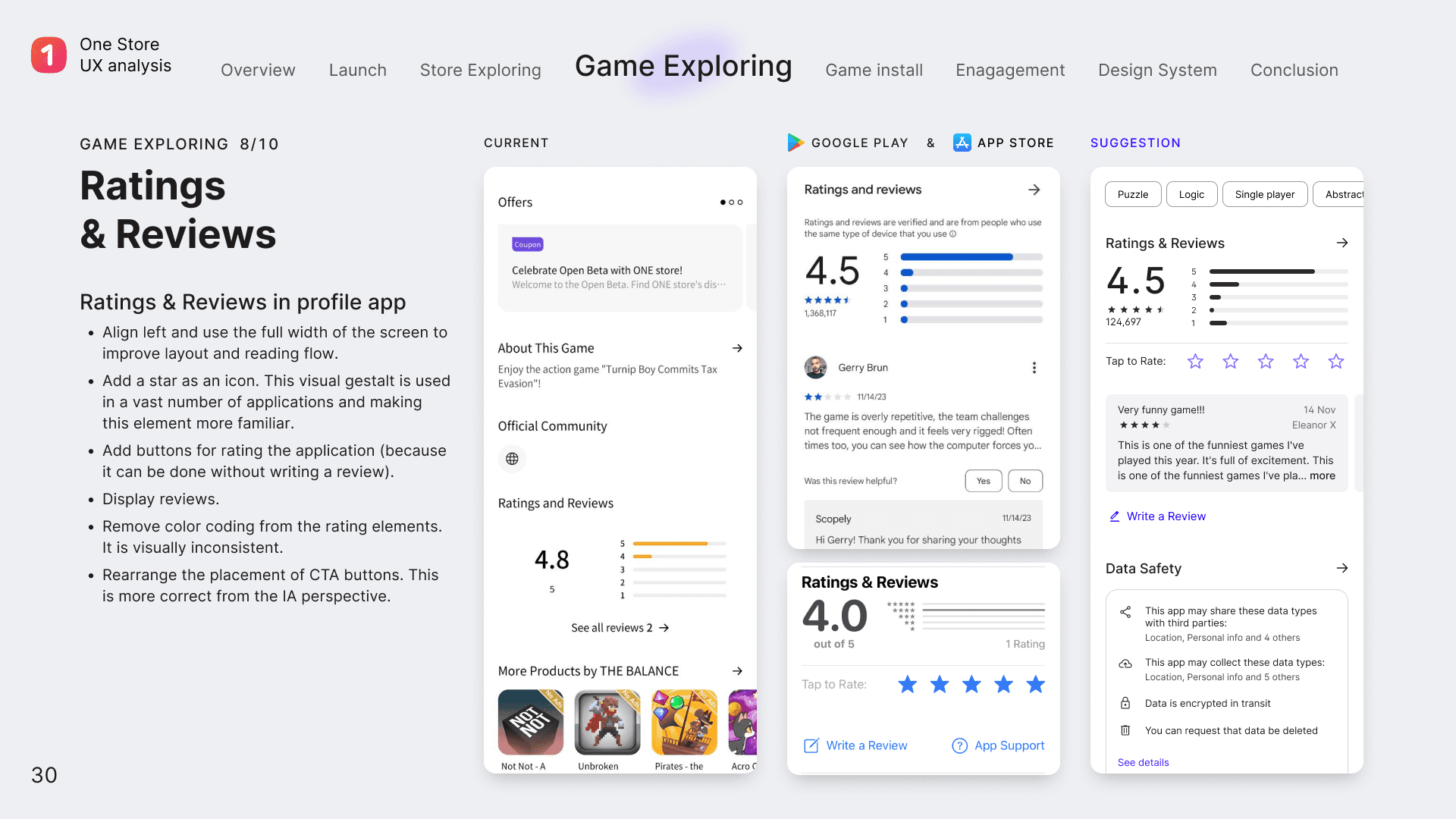
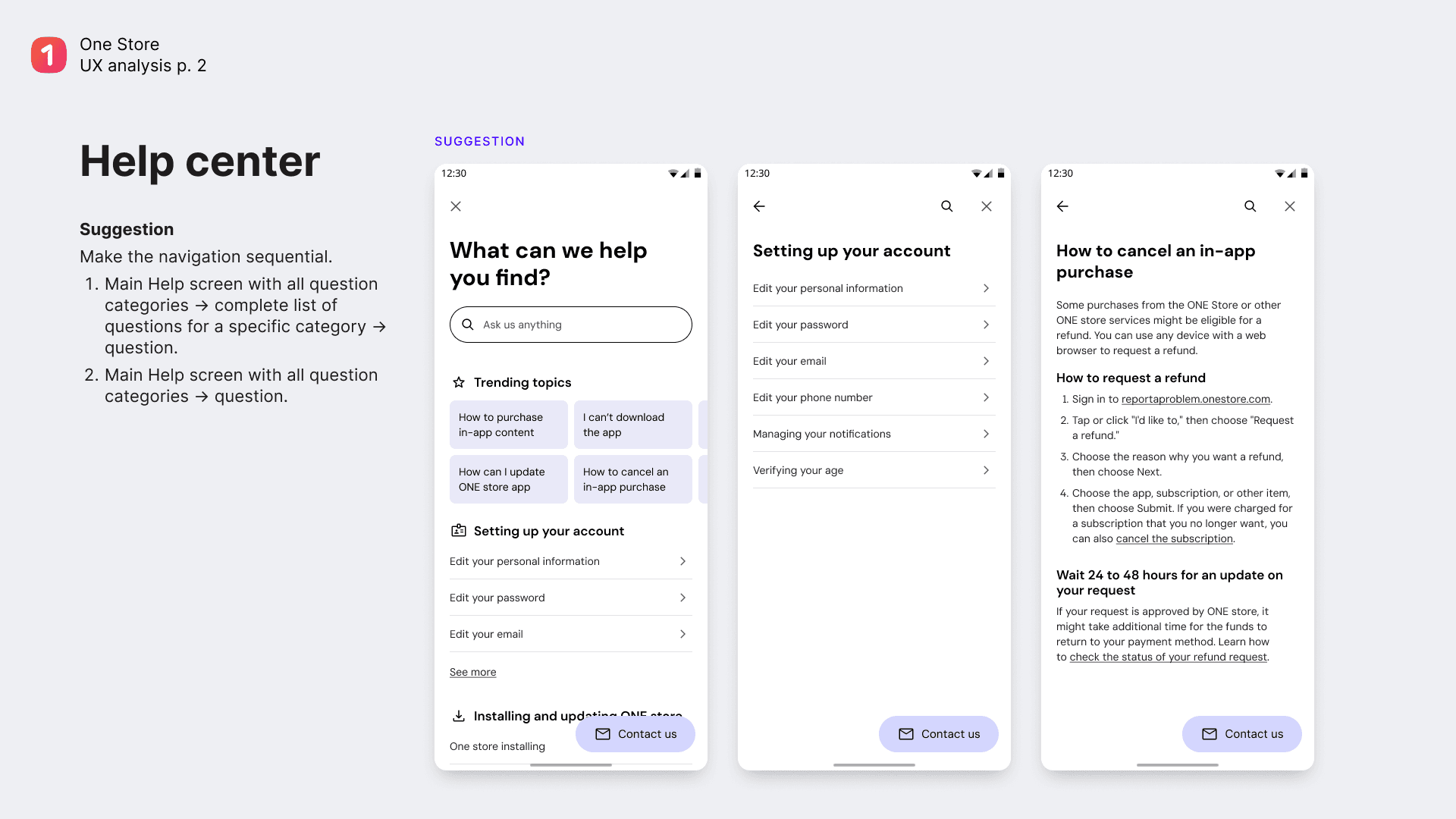
Conducted an in-depth usability review of the product, identifying pain points in critical user flows, activation funnels, and retention strategies. Delivered actionable recommendations for enhancing the user experience and interface.
4. Features Effort Estimation
Prioritized improvement suggestions based on effort and impact
Tasks and responsibilities
Conducted Comparative, SWOT and Usability Analysis and Features Effort Estimation, focusing on critical user scenarios, activation flows, sales funnels, retention strategies, and more.
Organized UX findings into prioritized tasks and structured the backlog in Asana
Collaborated with heads of departments, including the COO, Head of Product, Head of Mobile Publishing, Head of Payment Acceptance, and others.
Used wireframes, interactive prototypes, hi-fi mockups, and journey maps to visualize and validate hypotheses.
Conducted 10 interviews to study user experience with the current app version and 7 additional interviews to test the redesigned mockups.
Outcome
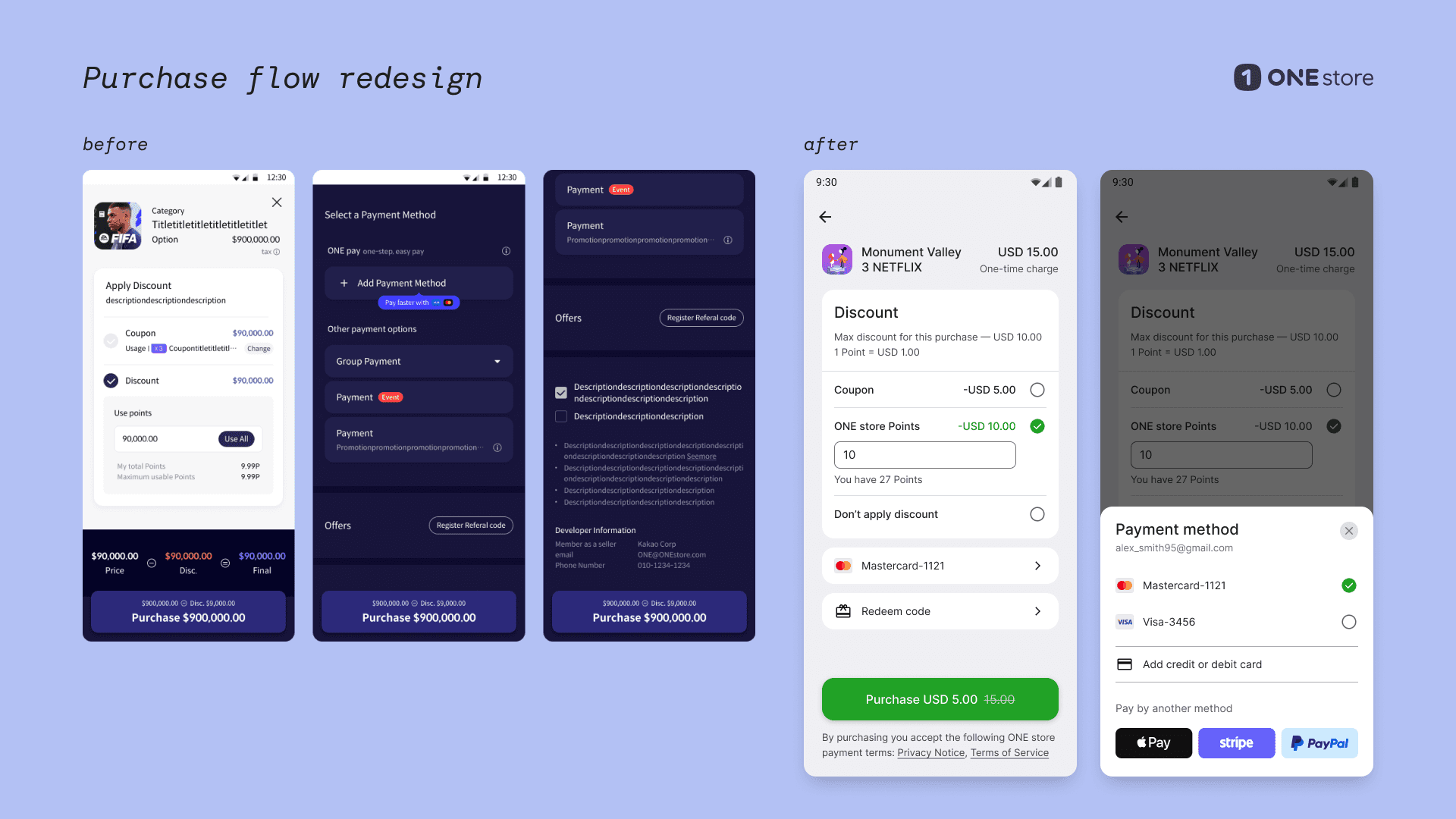
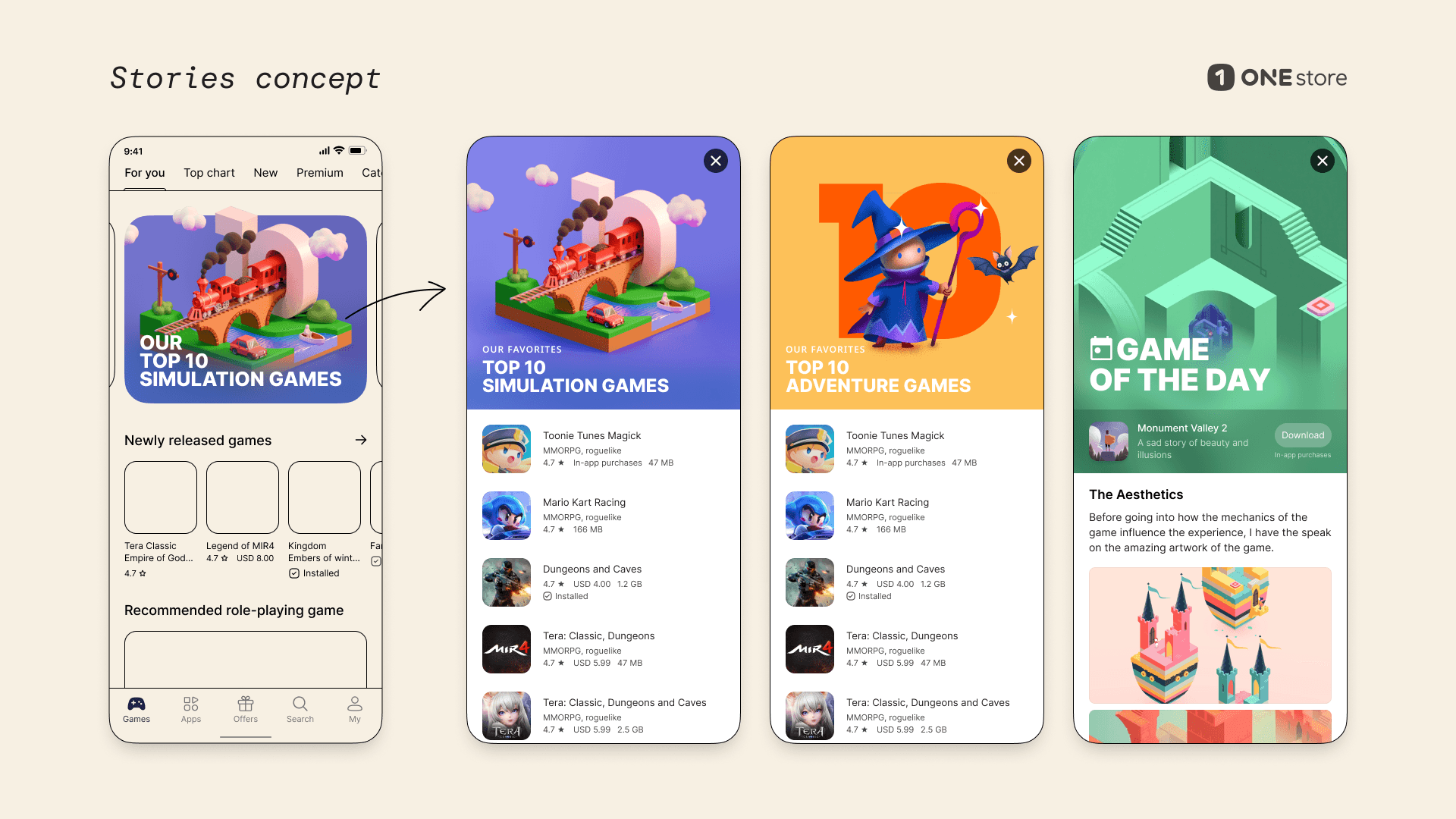
Analysis findings were successfully translated into prioritized backlog items, which the development team has already begun implementing. Key improvements, including a new Design System, are now in active development, creating a solid foundation for the product's expansion into the new market.
Usability analysis methodology
This methodology provides an in-depth usability review, identifying pain points in critical user flows, conversion funnels, and retention strategies.
It focuses on navigation, information architecture, visual consistency, design system, and task efficiency, delivering actionable recommendations to improve the user experience and achieve key business KPIs.